
Pre-Listing (Seller's) Inspection
Find it first, and
it's not a crisis.
The same defect discovered by your inspector is a repair you schedule. Discovered by the buyer's inspector, it's a credit demand five days before closing.
Book this inspection Call (224) 400-1006

Most sellers meet their home's problems for the first time in an email from the buyer's attorney, at the worst possible moment: after the emotional commitment, with a moving truck booked and no time to get three quotes.
A pre-listing inspection moves that discovery to the front of the process, where you still have options. You decide what to fix and who fixes it. You get real contractor pricing instead of the inflated number a nervous buyer asks for. And anything you choose not to repair, you disclose up front and price accordingly — which takes it off the negotiating table entirely.
Included
What you get out of it
- A complete findings list before you set the price
- Time to get competitive repair quotes
- Documentation of repairs to show buyers
- Fewer surprises during attorney review
- A stronger position against credit requests
- Accurate seller disclosure, backed by a report
- Marketing material: a home inspected and corrected
- Fewer deals falling out after inspection
Context
What it does to your negotiation
Buyers discount for uncertainty. When something turns up during their inspection, they don't ask for the cost of the repair — they ask for the cost of the repair plus a cushion for whatever else might be wrong. A pre-listing report removes that cushion.
It also filters the buyers. Someone who reviews an inspection report before writing an offer is far less likely to renegotiate afterward, because they've already priced in what they saw.
Agents around Kane and DuPage counties increasingly recommend this for older homes and estate sales, where the condition is genuinely unknown and a surprise mid-deal can cost weeks of market time.
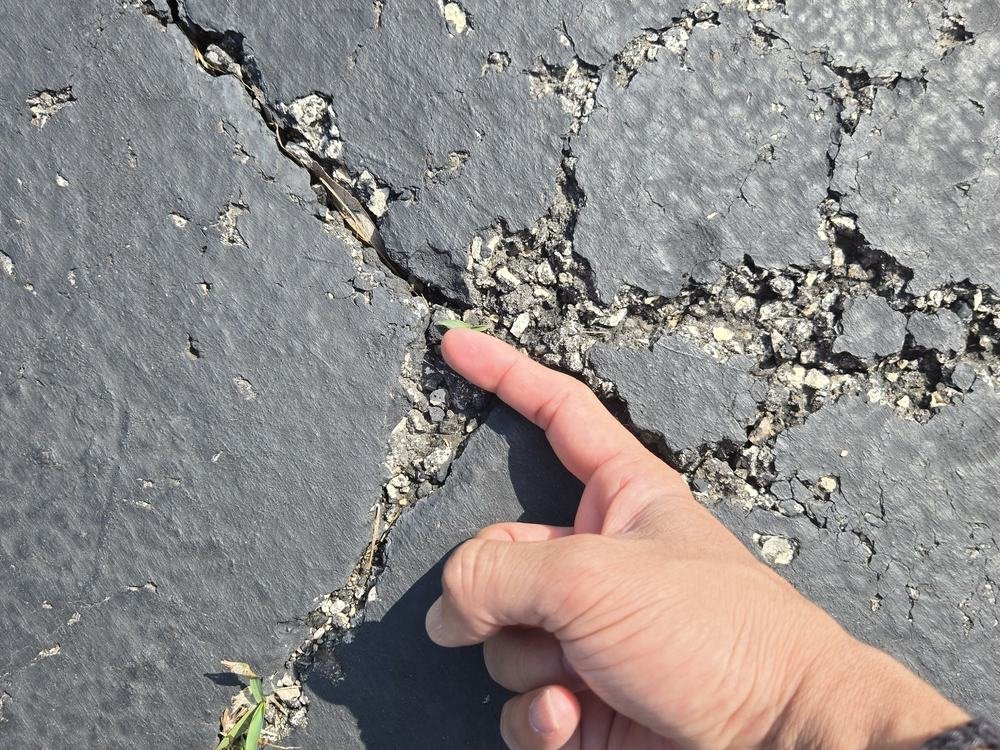
Settlement and trip hazards are exactly what buyers ask credits for
Questions
About pre-listing (seller's) inspection
Do I have to disclose what the inspection finds?
Illinois requires sellers to disclose known material defects. A pre-listing inspection makes some issues known to you — which is exactly why most sellers repair what's significant and disclose the rest. Handled this way it's a strength, not a liability. Your attorney can advise on the specifics.
When should I do it?
Two to four weeks before listing. That gives you time to make repairs and have documentation ready for showings.
Will buyers still get their own inspection?
Usually, and that's fine. Yours isn't meant to replace theirs — it's meant to make sure theirs doesn't produce any surprises.
Also consider
Pairs well with
Pre-Purchase (Buyer's) Inspection
The pre-purchase inspection is the one chance you get to look at a home with a professional, unemotional eye — whi…
Learn more ›Thermal Imaging (Infrared)
Not literally — but it reads surface temperature, and temperature is how hidden moisture, missing insulation and o…
Learn more ›Radon Testing
Kane, DuPage, McHenry and most of northern Illinois sit in EPA Radon Zone 1 — the highest-risk designation in the …
Learn more ›Book an inspection
Book a pre-listing (seller's) inspection.
We'll confirm today.
Closing on a deadline? Call and say so — we hold evening and weekend slots for contingency windows.